When parents visit a school for the first time, it is natural to notice the obvious things: the classrooms, grounds, facilities and amount of space children have around them. For a child, however, their experience of the school environment is rather different.
For children, it is about knowing where to go when they need help; having a teacher who can identify their personal interests as well as spot when something is not quite right; having somewhere to run free at breaktime; and feeling confident enough to explore, ask questions, try new things and develop their own personal skills and interests.
A school environment is therefore about far more than its buildings or location. It is the combination of surroundings, relationships, routines and opportunities that helps a child feel secure and ready to learn.
Why a Child’s Learning Environment Matters
A positive, supportive learning environment should provide both security and opportunity. Children need to know what is expected of them and feel confident that support is available, while also having opportunities to discover what they can do for themselves, and the enthusiastic support to dive in.
That balance is particularly important during the Prep school years. The child who once needed reassurance before trying something new can gradually, or sometimes very quickly, become the pupil willing to have a go. The child who relied heavily on adults can begin to make decisions independently. These may seem like small changes but repeated over time they become an essential part of growing up.
The Value of Space, Calm and Routine
Schools should be full of energy; however, children also benefit from an environment where routines become reassuringly familiar and there is room simply to be themselves. Knowing the adults around them and feeling comfortable in their surroundings can provide an important sense of stability.
This does not mean removing challenge, far from it. A child who feels secure is often more willing to raise their hand, attempt something difficult, join an unfamiliar activity or bounce back when something goes wrong.
At The Downs Malvern, we want children to experience a nurturing school environment that stretches them without overwhelming them, where encouragement and support run in parallel as their confidence develops.
Our indoor spaces include well-appointed classrooms and specialist facilities such as science laboratories, but we place equal value on what happens beyond them. Sports fields, woodland, outdoor play areas, Forest School and the school’s smallholding all give children rich and diverse opportunities in which to learn and explore.
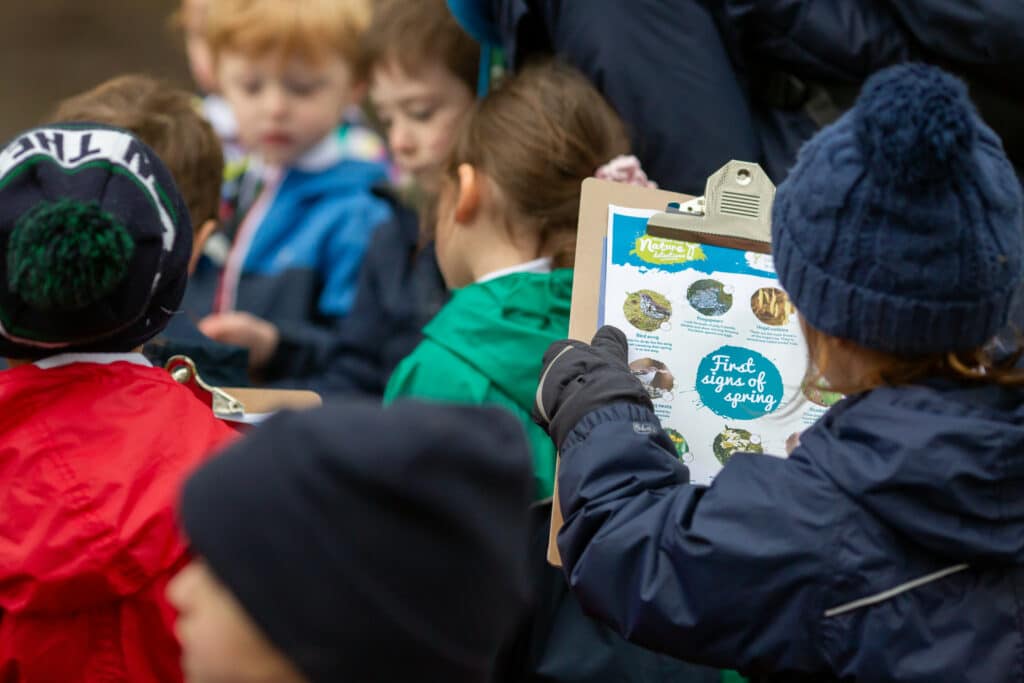
How Outdoor Learning Supports Confidence and Wellbeing
Without question, some of the most valuable learning in childhood happens away from a desk.
At The Downs Malvern, outdoor learning is not an occasional novelty. From Forest School to the wide range of activities both throughout the week and as part of our Saturday morning Hobbies programe, pupils have regular opportunities to develop beyond the classroom. Activities are deliberately varied and, crucially, new hobbies are introduced regularly in response to pupil suggestions, giving children a genuine voice in shaping their experience.
Time outside also provides a valuable change of pace, helping children return to other forms of learning refreshed and ready to concentrate.
A Setting That Helps Children Feel Known
The most important part of any school environment is impossible to photograph and difficult to measure, yet it is something we ensure every pupil experiences: the feeling of being known.
Small classes help ensure that every child is seen, heard and understood. Belonging develops through everyday interactions: a teacher remembers something a child was worried about or an achievement that might otherwise have passed quietly by; someone recognises when a normally enthusiastic pupil seems unusually withdrawn.
Unlike in many schools, Pre-Prep at The Downs Malvern, children can be brought directly into the classroom at drop-off, creating regular opportunities for parents and staff to share small but important pieces of information. This aides communication significantly and fosters a culture of trust between parents and staff.
Children are also given frequent opportunities to be seen and celebrated through weekly celebration assemblies, music and drama performances and, as they get older, sports fixtures, exhibitions and many other opportunities to contribute and build confidence.

How The Downs Malvern Gives Children Space to Grow
At The Downs Malvern, investment in the environment is ultimately about creating opportunities.
The smallholding is a good example. It is far more than a novel collection of animals: it is a living, hands-on classroom, where children help care for the animals and learn about lifecycles, food production and environmental impact. Through our market garden, they also sell eggs and other produce to the local community, with the proceeds reinvested into both the smallholding and the market garden to support further growing and development.
The same philosophy runs through our Saturday morning Hobbies such as mountain biking, horse riding and farming. Different environments invite children to discover different strengths, try unfamiliar things and take increasing responsibility.
Questions Parents Ask About School Environment
What should parents look for in a school environment?
Look beyond the facilities, however, shiny, and consider how children use them. A strong school environment should combine high-quality teaching with supportive relationships, opportunities to explore and a genuine sense of belonging. Chatting to current pupils as part of an Open Day or private visit is an ideal time.
How do small class sizes help children develop?
Smaller classes can make it easier for teachers to understand each child as an individual, recognise when support or challenge is needed and create more opportunities for pupils to contribute and build confidence.
What are the wider benefits of outdoor learning?
Outdoor learning can develop curiosity, independence, collaboration and problem-solving. Those habits can carry far beyond childhood, helping young people become more willing to question, investigate and think for themselves as they grow.
Visit The Downs Malvern
Every child experiences a school differently, which is why there is no substitute for seeing it for yourself.
If you are considering The Downs Malvern for your child, our Admissions team would be delighted to show you around and give you a sense of the environment, community and opportunities that shape everyday life here.
Contact our Admissions team to arrange a visit or make an enquiry.
Andy Nuttall, Headmaster
The Downs Malvern