A child confidently reading a sentence for the first time; a pupil asking a question in front of their classmates; a moment when a child keeps trying after something has not gone to plan; a younger pupil noticing that someone needs help and offering support.
At first glance, these may seem insignificant; small moments in the busy rhythm of normal school life. For teachers, however, they often reveal something much bigger: the development of confidence, resilience, independence, kindness and other important life skills for children and the many life skills that children need to thrive.
At The Downs Malvern, we understand that each child’s development is not only shaped by the milestones that are easy to spot and measure, but also by the everyday experiences that gradually help them discover what they can achieve and who they can become.
This understanding sits at the heart of our Small Moments, Big Skills series, a new collection of short videos being released each month, which profile the important early learning and personal growth taking place throughout our Pre-Prep, from Nursery to Year 2.
Each video focuses on a moment that may appear ordinary, but which reveals an important step in a child’s development. From the earliest foundations of literacy, handwriting and mathematical thinking to exploring the natural world, developing physical coordination and beginning to demonstrate leadership qualities, our culture is designed to support children as they build the skills and qualities that will shape their future.
The series is also an opportunity for us to showcase the unique ways in which The Downs Malvern encourages and supports these developments.
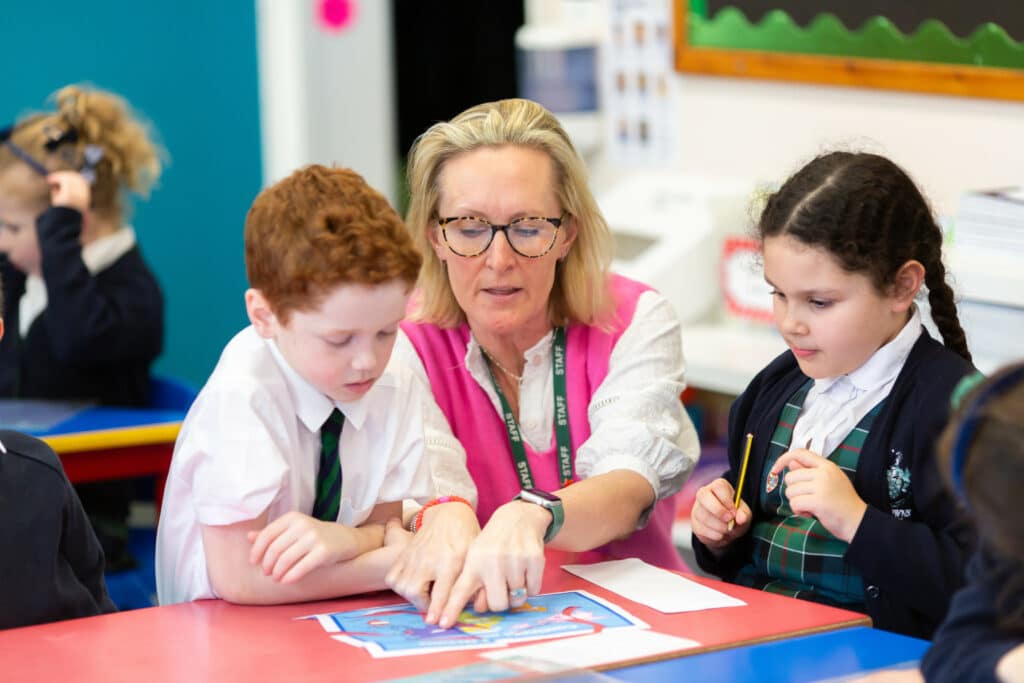
Seeing the Bigger Picture Behind Everyday Moments
Children do not suddenly become confident, resilient or independent overnight. These qualities are built gradually over time through encouragement, trust and having opportunities to be curious and discover for themselves.
At The Downs Malvern, we know that meaningful child development is not always found in the biggest and most visible achievements. Our teachers know their children as individuals and are highly attuned to the small signs of progress that show a child is growing: the pupil who is becoming more willing to share ideas or who perseveres when something feels difficult.
These moments are not simply noticed; they are nurtured, helping with building confidence in children over time. Through our curriculum, our relationships and our wider school culture, we provide children with opportunities to practise these skills and qualities every day, helping them build confidence and character over time.
Building Skills That Last
A child developing their handwriting is not only learning to form letters neatly; they are developing coordination, concentration and the all-important confidence to communicate their ideas clearly. Through stories, conversations and reading, literacy helps children find their voice and make sense of the world around them.
Another example is Mathematics, which really comes alive when children are given opportunities to solve problems in meaningful contexts. A classroom shop, café or post office may look like play, but it is also an opportunity to apply mathematical thinking in a practical way rather than just numbers on paper. Building a relatable, real-world connection is vital in helping children to develop ownership and confidence in the subject.
Science encourages children to be curious and ask “why?”. Through hands-on discovery in the classroom, in addition to our market garden and smallholding, children learn to investigate, observe carefully, share ideas and develop an understanding of the world around them.
These moments may appear ordinary, but they are where important skills begin to take shape.
Nurturing the Qualities That Help Children Thrive
It is important to recognise, however, that education isn’t just about what children know and understand, but also about the qualities they develop as they learn.
Confidence, curiosity, resilience, kindness, responsibility and leadership skills are not taught in isolation; they grow through experiences. A child exploring the Malvern Hills, investigating in Forest School or visiting the smallholding is not simply discovering their surroundings; they are developing curiosity, problem-solving skills and resilience through everyday learning.
A pupil speaking in an assembly is building confidence. A child taking responsibility for a classroom role is learning independence. A pupil helping a younger child is beginning to understand leadership and the importance of contributing to a community.
Through these everyday opportunities, children begin to understand themselves as learners and as individuals, discovering what they are capable of and recognising the value they can bring to others.
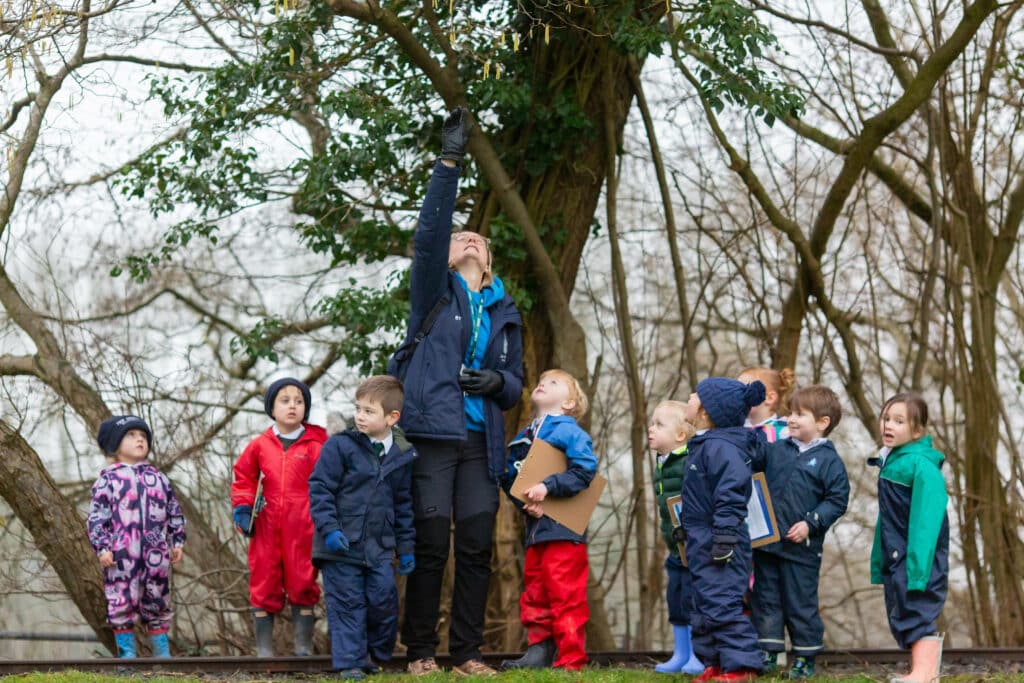
Creating the Conditions for Children to Thrive
Recognising these moments is important, but so is creating the environment where they can happen.
At The Downs Malvern, our approach to child development is built around providing children with opportunities to develop these skills and qualities every day. Through our curriculum, our Skills to Thrive framework, outdoor learning, Forest School, community experiences and the many opportunities children have to contribute, children are encouraged to become curious, confident and capable young people, building resilience and independence through everyday school life.
Helping Children Grow at The Downs Malvern
The earliest years of education are vital in providing the foundations for a child’s character and attitude towards learning.
Through skilled teaching, strong relationships and a culture where every child is valued, we help children develop not only the skills they need, but also the confidence, curiosity, resilience and character to thrive.
To learn more about life in Pre-Prep at The Downs Malvern, or to see how children are supported as they grow in confidence, curiosity and independence, contact our Admissions team or arrange a visit.