How everyday relationships help children feel known, supported and ready to lead
A new pupil may not remember every instruction from their first morning. They may, however, remember the older pupil who showed them where to put their sports kit, walked them to the next lesson and made sure they had someone to sit with at lunch.
At The Downs Malvern, such moments are part of a culture in which children are encouraged not simply to belong, but to help others belong too.
Mentorship here is not confined to a timetable slot or formal badge. It is a buddy helping a new pupil understand the day, a Year 8 pupil leading an assembly, a House Captain encouraging younger children to step beyond their comfort zones, or a boarder helping their House run smoothly.
When pupils are trusted to guide and encourage one another, confidence grows on both sides.
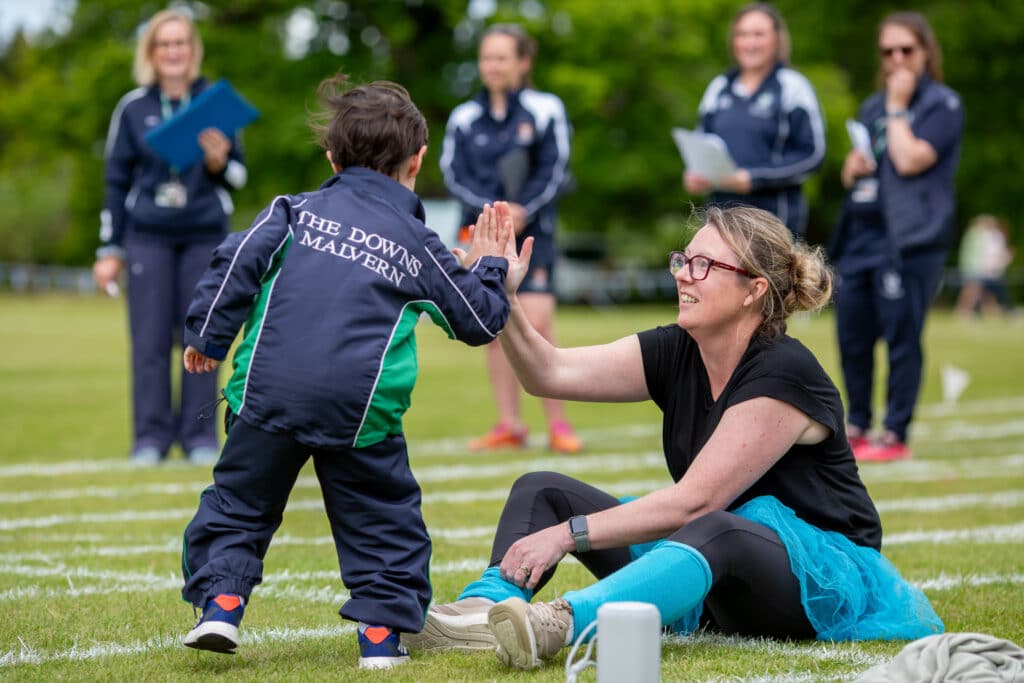
Why Peer Mentoring Matters in Schools
Children learn from adults, but they also watch and listen closely to the pupils around them. An older child who has experienced first-day nerves and unfamiliar routines can offer immediate, relatable reassurance.
Peer support does not replace attentive pastoral care from adults. Instead, it strengthens the network around each child. A younger pupil gains another familiar face to look for, while an older pupil learns that their choices, words and example can have a positive effect on somebody else.
These relationships help children feel known, supported and connected to the wider school community.
Older Pupils as Role Models
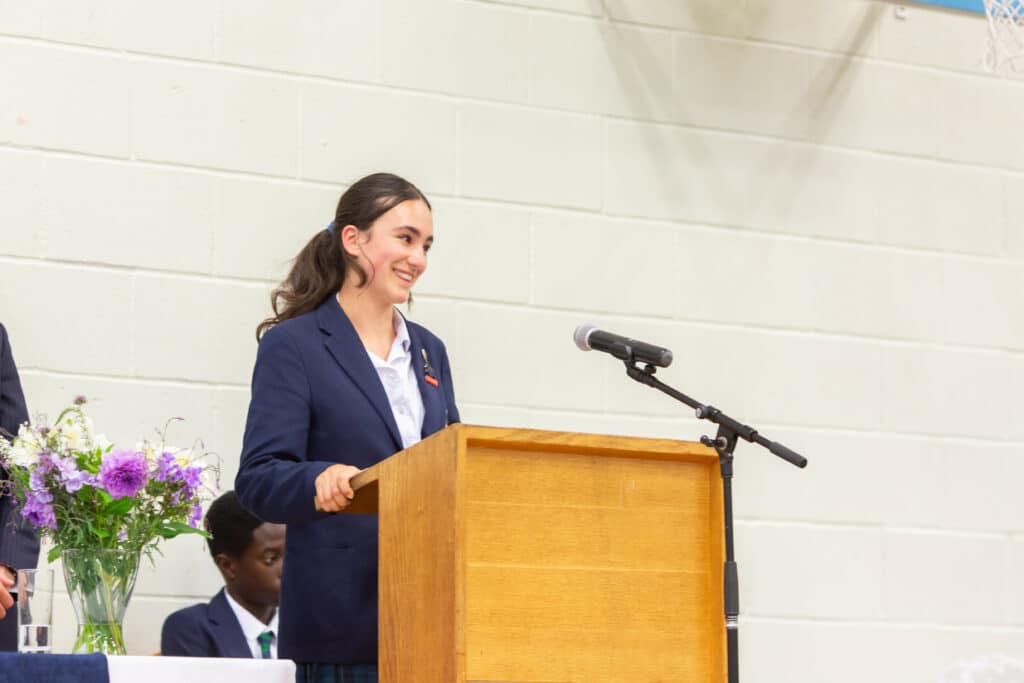
Year 8 pupils have many opportunities to serve the school community. Leadership roles include Head Boy and Head Girl, Prefects, Wellbeing Ambassadors, Sports Leaders, Creative Arts Ambassadors, House Captains and Boarding Prefects.
The titles matter because of the actions they invite. Each role gives pupils the opportunity to contribute positively, support others and help shape the culture of the school.
Whether helping to run sporting events, supporting younger pupils, encouraging participation in the arts, promoting wellbeing or welcoming families on Open Days, pupils learn that leadership is not reserved for the loudest voice.
It may mean welcoming a nervous child, including somebody at break or noticing when an adult’s help is needed. Ultimately, leadership is about showing the pupils around them how to approach each day positively.
What Younger Children Gain from Peer Support
Every new pupil at The Downs Malvern is assigned a buddy: an established pupil who provides a reassuring point of contact from the moment they arrive.
The buddy welcomes them, takes them to their form room and helps them find their peg or locker. Throughout the day, they guide the new pupil to lessons, explain what is happening, help them organise their sports kit and stay with them at break times, showing them where they can play and introducing them to others.
Just as importantly, they explain the small but significant details of how things are done at The Downs Malvern.
For a new pupil, pressing questions can sometimes seem too small to ask:
Where do I line up?
What happens after lunch?
Where should my kit go?
A buddy gives them someone natural to ask and provides companionship and reassurance while the unfamiliar becomes familiar.
The responsibility does not rest with the buddy alone. All pupils are encouraged to notice, include and support newcomers, whether by inviting someone into a game, walking with them to lunch or checking that they are not alone.
The reassurance of seeing a known face in a corridor or playground can transform an uncertain first week. Adult pastoral care remains the foundation, but positive pupil relationships deepen that sense of security and belonging.
What Older Pupils Learn Through Mentorship
Meaningful responsibility, whether through peer support or pupil leadership, develops skills that cannot simply be taught in a classroom. Real-life experience and genuine opportunity are essential.
Supporting another child requires listening, patience, clear communication and, at times, putting somebody else’s needs first.
Whether leading an assembly, planning a charity event, guiding a family, helping to organise the boarding house or supporting younger pupils, children must prepare, adapt and follow through.
With adult guidance, they can reflect, improve and discover that leadership is less about status than service.
Giving Pupils a Voice
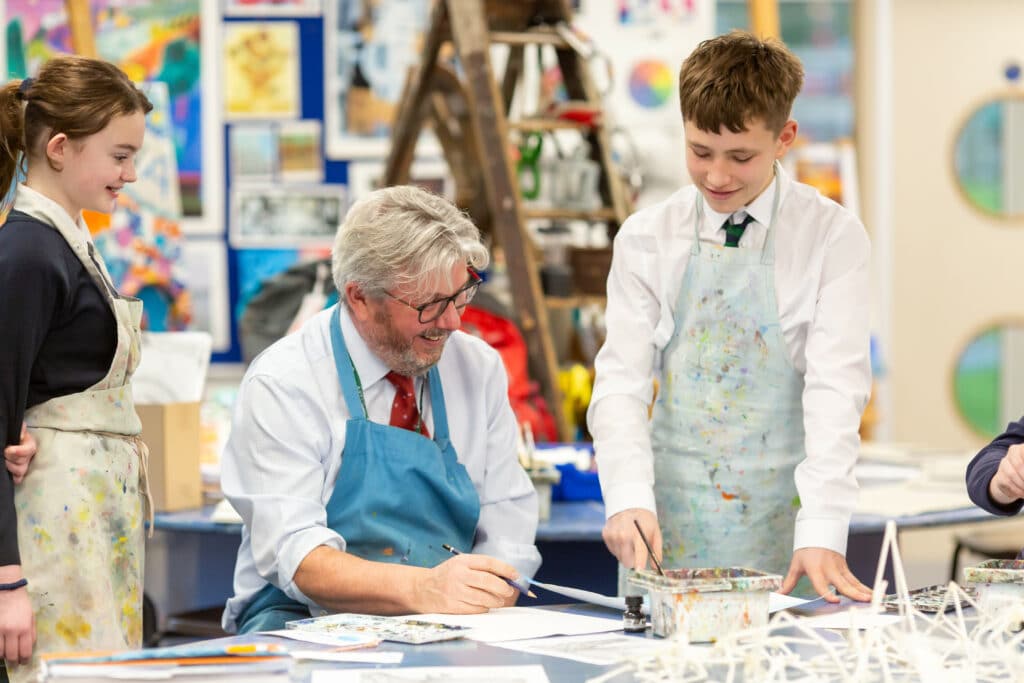
Mentorship also connects with pupil leadership and pupil voice. Through the School Council and suggestion boxes, children are encouraged to share ideas, raise concerns and contribute constructively to school life.
Older pupils model how to listen, express a view respectfully and help turn a suggestion into a useful conversation.
The relationship is reciprocal: younger pupils’ experiences and ideas also help shape the community around them.
Building Confidence Before Senior School
The final prep school years offer an important bridge to senior school.
By leading, organising and looking out for others, pupils in Years 7 and 8 develop confidence rooted in experience. They learn when to step forward, when to listen and when to seek help.
This personal growth is also nurtured through the breadth of opportunities available at The Downs. Whether through sport, the creative arts, Saturday Morning Hobbies or the many other experiences beyond the classroom, pupils are encouraged to discover their interests, develop new skills and step beyond their comfort zones.
The Downs Malvern Baccalaureate supports this journey by encouraging pupils to develop not only academically, but personally. Through opportunities to reflect, explore their strengths and build the skills needed for the future, pupils are encouraged to take increasing ownership of their own development and understand how they can contribute positively to those around them.
This is confidence without swagger: the self-awareness to understand one’s influence, the empathy to use it kindly and the courage to take responsibility.
Pupils leave having experienced both sides of a caring community: being looked after and looking after others.
Perhaps the greatest measure of this growth is seeing a child who once needed reassurance become the person who offers it to somebody else.
Mentorship as Part of The Downs Malvern Community
At its best, mentorship is woven into daily life: in classrooms, the Quad, the dining room, on the sports field and in the boarding house.
It brings Kindness, Respect and Courage to life through repeated actions.
Strong pastoral communities grow when children know that adults see and understand them, and that the pupils around them will also notice, encourage and include them.
That peer-to-peer effect helps children feel at home today and prepares them to contribute wherever they go next.
For parents, the value is simple: children are not just taught responsibility; they are given meaningful chances to practise it in everyday school life.
To learn more about life at The Downs Malvern, contact our Admissions team or arrange a visit.
Questions Parents Ask About Peer Mentoring in Schools
What is peer mentoring in schools?
Peer mentoring is when pupils support or guide others, often with older or more established children helping younger or newer pupils feel confident and settled.
What are the benefits of peer mentoring in schools?
It can strengthen belonging, communication, empathy and confidence. Younger pupils gain reassurance, while older pupils develop responsibility and leadership.
How does peer mentoring help pupils?
It gives children another relatable person to turn to, while helping mentors practise listening, kindness and problem-solving.
Why is pupil leadership important in schools?
It gives children meaningful responsibility and shows how their behaviour, ideas and example can positively influence the wider community.
Adam Dixon, Deputy Head Pastoral